Bahasa Duri
To tokeanak
A1: Jajimiraka adinna Rusna pubongi'?
B1: Ie', jajimi adinna nena' subu tatte' a'pa'.
A2: Indara nasolan mamana Rusna tonna keanak?
B2: Te'da tau nasolan tonna keanak, anggennara muanena. Biasa meman to to-Duri simesa-mesari ke keanakki.
A3: Te'daraka namale lako ruma saki' to tau ke keanakki?
B3: Makurang sanga mabela to ruma saki'. Apa den too to tau male lako ruma saki' ke masuli'i keanak. Iana den keba'tang unapa biasaki' male lako ruma saki' mangparessa.
A4: Iana jaji to pea budaraka tau nnollongngii?
B4: Ie', biasa buda.
A5: Apa nabawa ke ratui nnollongngii to pea?
B5: Buda rupanna, ke la baju, ke la sabun ke madoangngi mbawa apa-apa.
A6: Biasaraka digeretan beke to pea ke mane' jajii?
B6: Iana den doi', nnalli beke nadigere', ditambai to tau nadikande sola. Iamo disanga mangpadali', ke te'dapi naliwa' sangminggu umuru'na.
|
English
Giving Birth
A1: Was Rusna’s younger sibling born last night?
B1: Yes! Rusna’s younger sibling was born at four o’clock this morning.
A2: Who was with the mother when she gave birth?
B2: No one was with her when she gave birth except her husband. That’s usual for a Duri woman to give birth all by herself, you know.
A3: Duri women don’t go to a birthing clinic to give birth?
B3: Rarely, because the birthing clinic is so far away, but there are some women who go to the clinic if they are having a difficult birth. When they are still pregnant people usually go to a health center for a check-up.
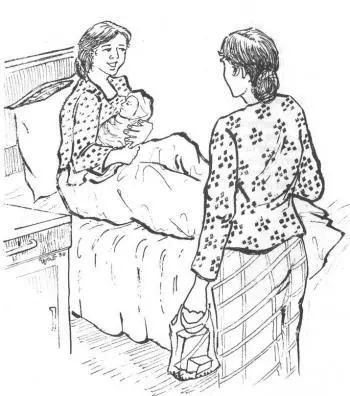
A4: When children are born, do many people come to visit on a newborn?
B4: Yes, usually many do.
A5: What does one usually bring when going to pay a visit on a newborn?
B5: Many kinds of things, clothing or soap will do, if you want to bring something.
A6: Is a goat usually slaughtered when there is a child born?
B6: If there is money, a goat is bought then slaughtered, then we call people to eat it together. That’s what’s called Akikah, if the child is not yet more than a week old.
|